The world's first synthetic grease — born in military jet engines, certified since 1972 — is now available for your fleet. Authorized Canadian dealer. Technical guidance included. Direct delivery.
4×
protection
−40°C
pumpable
10
formulations
55 years
proven
Used by 500+ operators across Canada | Excavation • Agriculture • Transport • Industrial
Take the tube of grease you buy from your regular supplier. Look at it carefully.
That product was not formulated with your bucket pins in mind. It was not designed to withstand the pressure on your fifth wheel at −30°C in January. It was not tested on a conveyor running 16 hours a day in the middle of summer.
It was designed for one thing: to be sold to the largest number of customers at the lowest possible production cost.
It's refined petroleum. The molecules that make it up have irregular shapes and variable sizes — like randomly picked pebbles. Under the pressure of your bearings and the heat of your components, those molecules fracture, oxidize and lose their lubricating properties.
That's why your grease turns brown. That's why it hardens. That's why it stops protecting your parts BEFORE your next maintenance cycle.
And you know what? The manufacturer knows this. But a product that lasts 11 times longer means 11 times fewer sales for them.
When a pin seizes, what do you do? You grease more often.
When a bearing starts making noise, what does the mechanic say? "You need to grease more often."
When the fifth wheel makes a clunking sound in corners, what do you do? You put on another layer of grease.
But the problem keeps coming back. Every time.
Because the problem isn't FREQUENCY. The problem is CHEMISTRY.
Picture those pebbles again. Your conventional grease molecules are irregular. Under pressure, they fracture. The fragments oxidize. The lubricating film disappears. And no matter how many times you re-apply fresh grease on top, the same cycle repeats:
You're not solving anything. You're buying time. And that time costs you dearly:
The real diagnosis is simple: it's not your machine that's failing. It's not your operator being negligent. It's your grease that isn't up to the job it's supposed to do.
Did you know?
Insufficient lubrication leads to pin seizure, which causes cracks in the equipment's structural welds. The material cost is moderate — $500 to $2,500. The real cost is downtime: $1,000 per day in lost productivity, sometimes for weeks.
In the 1960s, a Minnesota fighter pilot named Albert J. Amatuzio had a problem nobody else could see.
A squadron commander in the Air National Guard, Amatuzio flew supersonic jets. He saw firsthand what happened inside jet engines: extreme temperatures, insane rotational speeds, instant transitions from intense heat to freezing altitude.
Conventional petroleum-based oils didn't survive. They disintegrated. The only lubricants capable of functioning under those conditions were synthetics — molecules built through chemical synthesis, uniform in size and shape, stable under pressure.
And Amatuzio asked a question nobody else was asking:
"If this technology can protect a jet engine at Mach 2… why aren't we using it to protect civilian engines?"
The answer was simple: because the oil giants were selling petroleum. A product that lasts 11 times longer means 11 times fewer sales. Nobody had any interest in changing the rules of the game.
So Amatuzio did it himself.
In 1966, he formulated his first synthetic oil. In 1972, AMSOIL 10W-40 became the world's first synthetic lubricant to receive American Petroleum Institute (API) certification.
The first. In the world. In 1972.
It took the oil giants decades to offer their own synthetic versions. AMSOIL had a 55-year head start.
Conventional grease: molecules like pebbles — irregular shapes, variable sizes. Under pressure, they fracture and oxidize. AMSOIL synthetic grease: molecules like Lego bricks — identical in size, uniform in shape, stable under the same pressure.
| Conventional | AMSOIL Synthetic | |
|---|---|---|
| Drop point | ~180°C | >260°C |
| Pumpable at −40°C | Solid | Pumpable |
| Oxidation resistance | Limited | Exceptional |
| Protection duration | Standard | Up to 4× longer |
Yes, AMSOIL costs more per litre than the grease at a big-box store. That's a fact.
But let's ask the real question: how much does your current grease cost PER HOUR of protected machine operation?
With conventional grease
= $5,500 per incident
With AMSOIL synthetic
= ~$200 more in grease / season
$200 in grease to avoid $5,500 in repairs.
This isn't a cost. It's insurance. And it's the cheapest insurance you've ever bought.
A product that lasts longer means:
The price per litre is higher. The total cost is lower. It's simple math.
Let's be direct.
You may have heard that AMSOIL is "a pyramid scheme." It's a perception that exists on some forums, and it deserves a straight answer.
AMSOIL has been in business since 1972. Fifty-five years.
Pyramid schemes don't last 55 years. They don't receive American Petroleum Institute certification. They don't launch an industrial B2B division in 2021. They don't acquire Benz Oil — a specialty fluid manufacturer — in 2023.
AMSOIL uses a network of authorized dealers rather than big-box stores. Why? Because selling industrial synthetic grease requires a technical conversation. A big-box store clerk won't explain thickener compatibility or recommend the right formulation for your CAT 320 pins.
An authorized dealer will.
We're not here to "sell you grease." We're here to save you from a $15,000 repair bill.
We're not asking you to switch your entire fleet overnight.
We're asking you to run one test. Just one.
Pick the grease point that causes you the most problems:
Apply AMSOIL to THAT point. On ONE machine. For ONE maintenance cycle.
Watch for three things:
That's it. No contract. No fleet-wide commitment. No risk.
The biggest risk when switching greases is thickener incompatibility. Mixing a lithium grease with a polyurea grease can cause the lubricant to soften or harden.
Before we ship anything, we verify:
You take zero risk. We make sure of it.
Your reality: Pins and bushings are your most frequent failure points. Dust, water and extreme loads destroy conventional grease between maintenance intervals. A machine down means $1,000 per day lost — and a contract at risk.
Recommended formulations: GLC (multi-purpose, calcium sulfonate), GPOR1 / GPOR2 (off-road, with moly)
Your reality: The harvest window lasts 2 weeks. If your combine breaks down during those 2 weeks, your entire year is compromised. Margins are already squeezed by inputs and credit. You can't afford an unexpected breakdown.
Recommended formulations: Synthetic Multi-Purpose Grease NLGI 2 (summer), NLGI 1 or 0 (winter)
Your reality: The fifth wheel and kingpin are safety-critical components. A dry fifth wheel causes erratic handling in corners. Excess grease in the jaws traps debris. In winter, lubricant hardening can lead to accidental trailer uncoupling.
Recommended formulations: GPTR1 (chassis and fifth wheel, winter NLGI 1), GPTR2 (summer NLGI 2)
"I put AMSOIL on my CAT 320 pins. Before, I was greasing every 8 hours and still had play after 3 months. It's been 14 months and the pins are still smooth. I calculated it: I saved roughly $4,200 in parts and downtime this year."
Martin D.
Excavation contractor, Lanaudière
"My grease gun wouldn't pump below −20. I was losing 45 minutes every morning just warming up the grease. With AMSOIL synthetic, it pumps at −35. That's 45 extra minutes on the road every winter morning."
Stéphane R.
Owner-operator, long-haul transport, Ontario
"My equipment dealer was selling me his house brand at 3× the price. I switched to AMSOIL on all my pivots and bearings. Same or better performance, for one-third the annual cost when I factor in the longer intervals."
Jean-François B.
Grain farmer, Montérégie
| What you're comparing | Conventional grease | AMSOIL Synthetic |
|---|---|---|
| Price per litre | ✅ Cheaper | ❌ More expensive |
| Cost per hour of protected machine operation | ❌ More expensive (short intervals) | ✅ Less expensive |
| Works at −40°C | ❌ Solid | ✅ Pumpable |
| Withstands +260°C | ❌ Drop point ~180°C | ✅ Drop point >260°C |
| Water resistance | ❌ Limited | ✅ Excellent |
| Oxidation resistance | ❌ Browns quickly | ✅ Long-term stable |
| Seal compatibility tested | ❌ Variable | ✅ Optimized |
| Technical support included | ❌ Store clerk | ✅ Specialist dealer |
| Personalized recommendation | ❌ You choose alone | ✅ Needs analysis included |
The only criterion where conventional "wins" is the sticker price. On every criterion that matters for your equipment and your wallet, it loses.
Find the AMSOIL synthetic grease matched to your machines, your sector and your season.
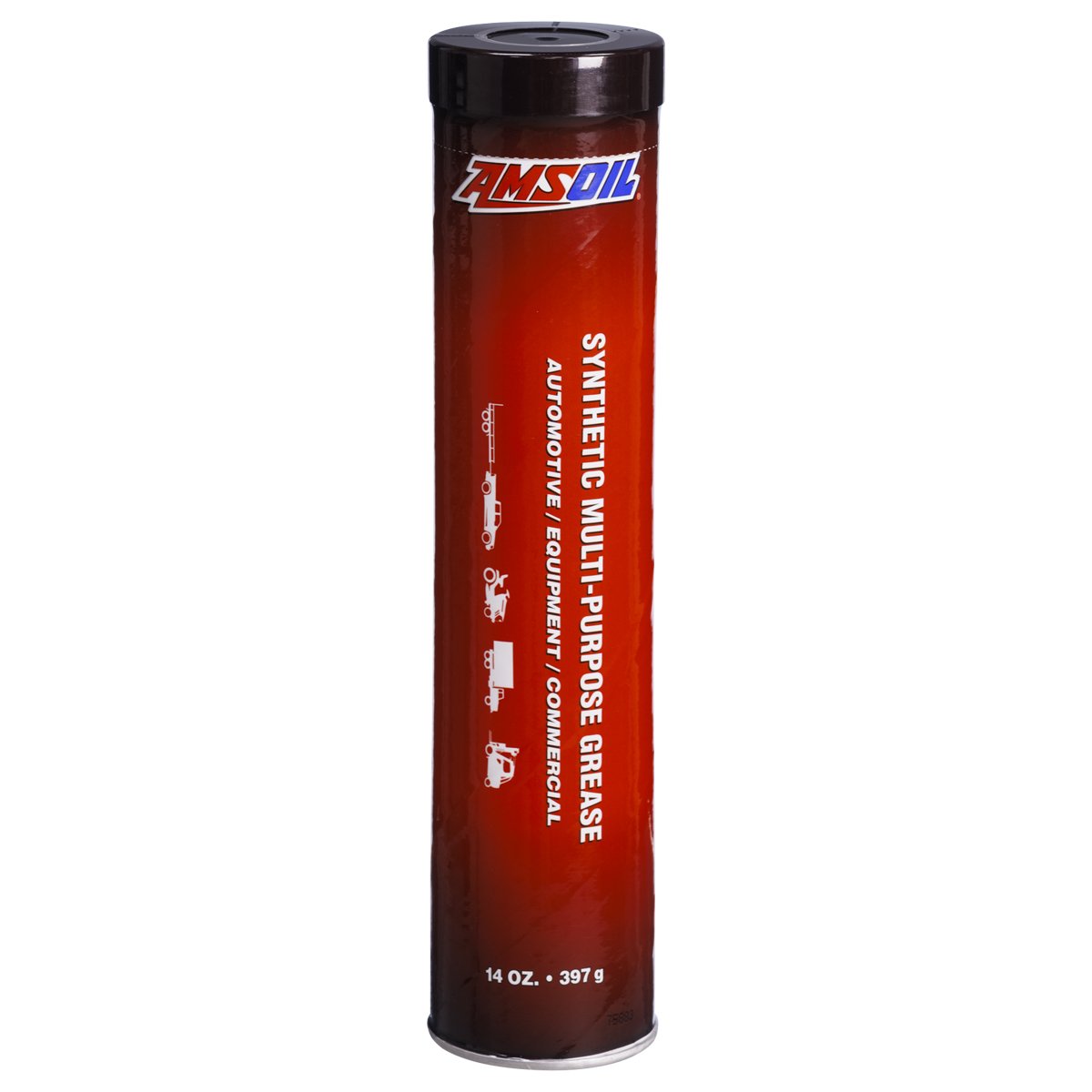
One grease for bearings, pivot pins and general lubrication points, all 4 seasons? The red GLC (Calcium Sulfonate, NLGI 2) protects from -40°C to +177°C on trucks, tractors and industrial machinery — no compromise summer or winter.
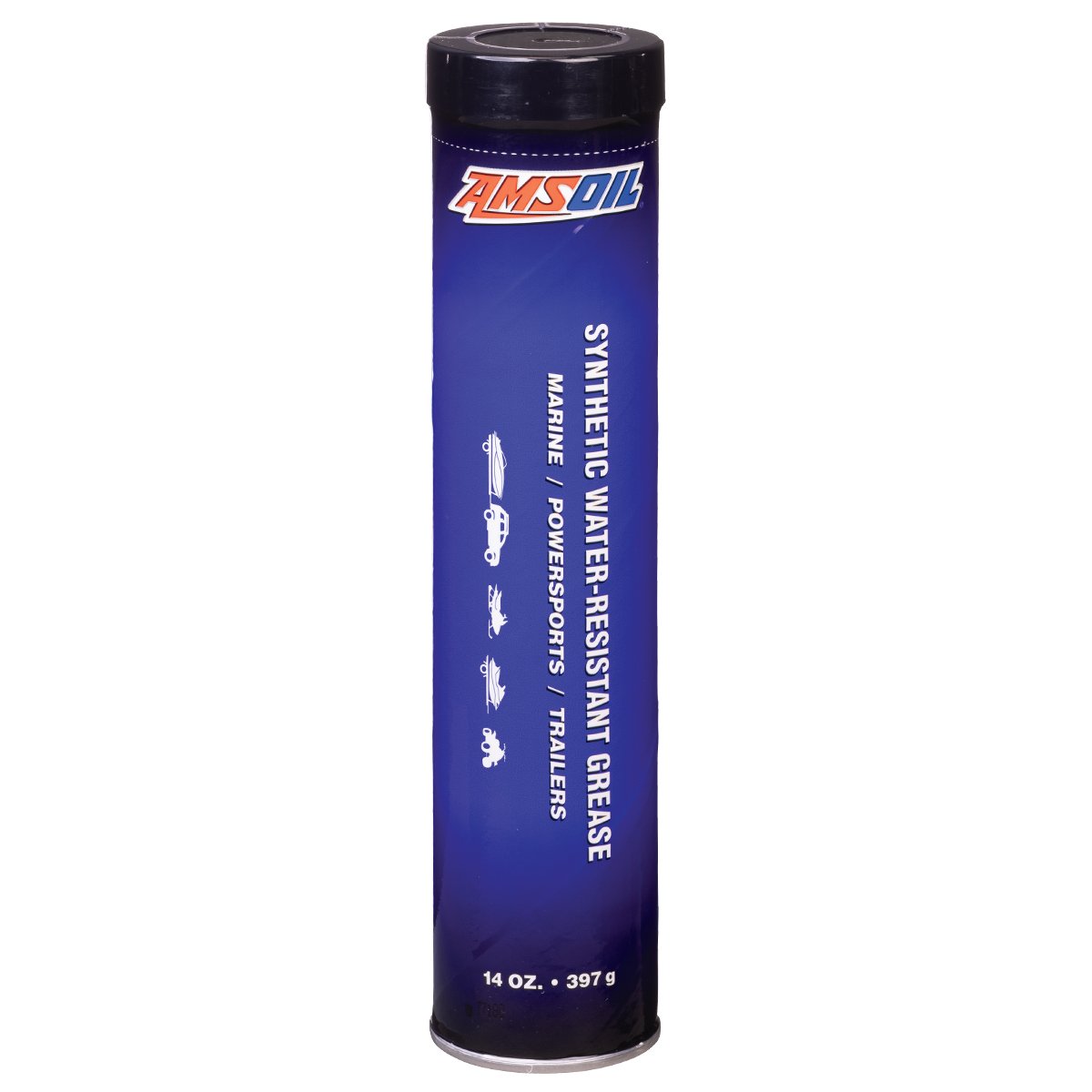
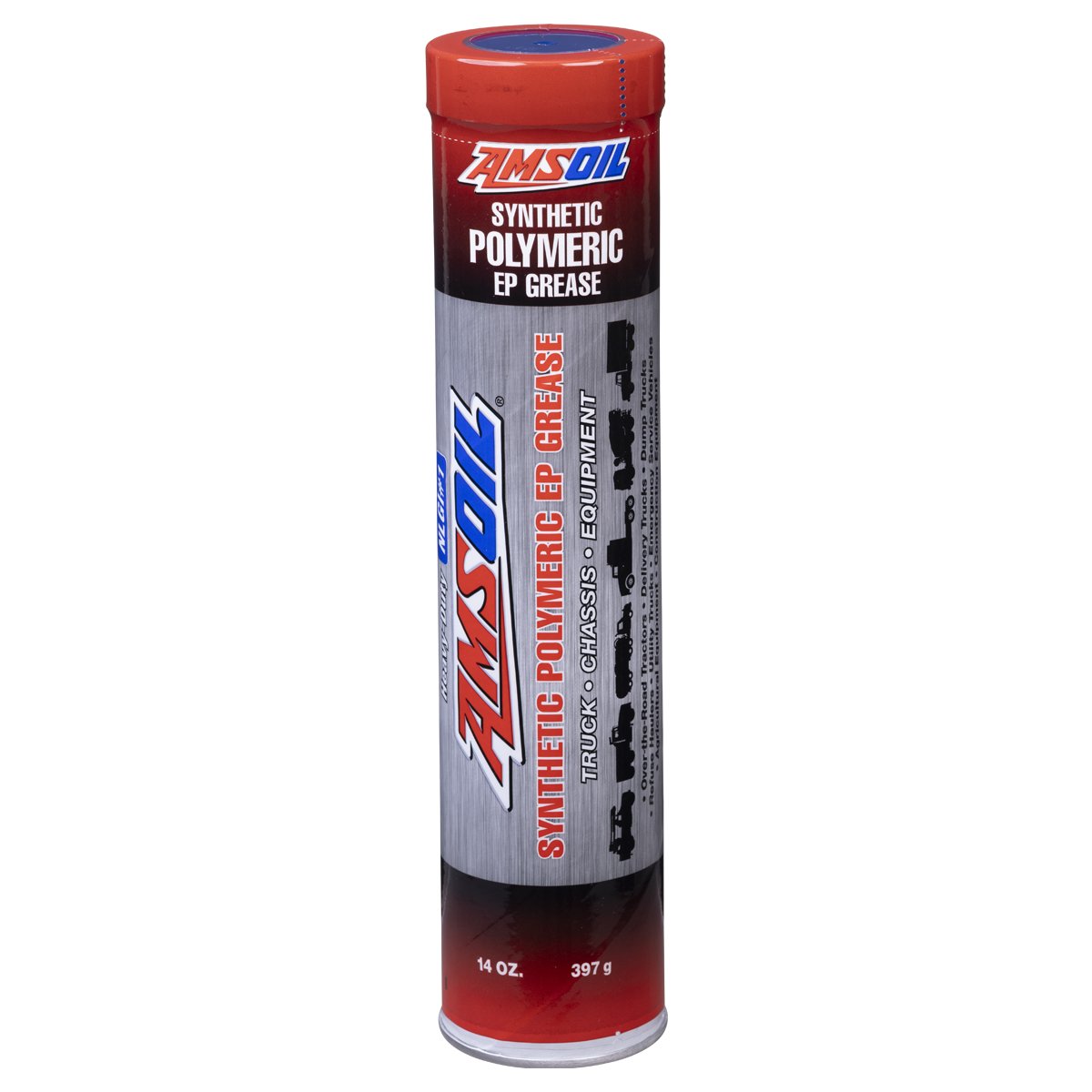
Pins and bushings on your heavy trucks wearing fast at -30°C? The red GPTR1 (NLGI 1, Truck Winter) protects all Pin & Bushing points down to -40°C — engineered specifically for trucking fleets in winter conditions.
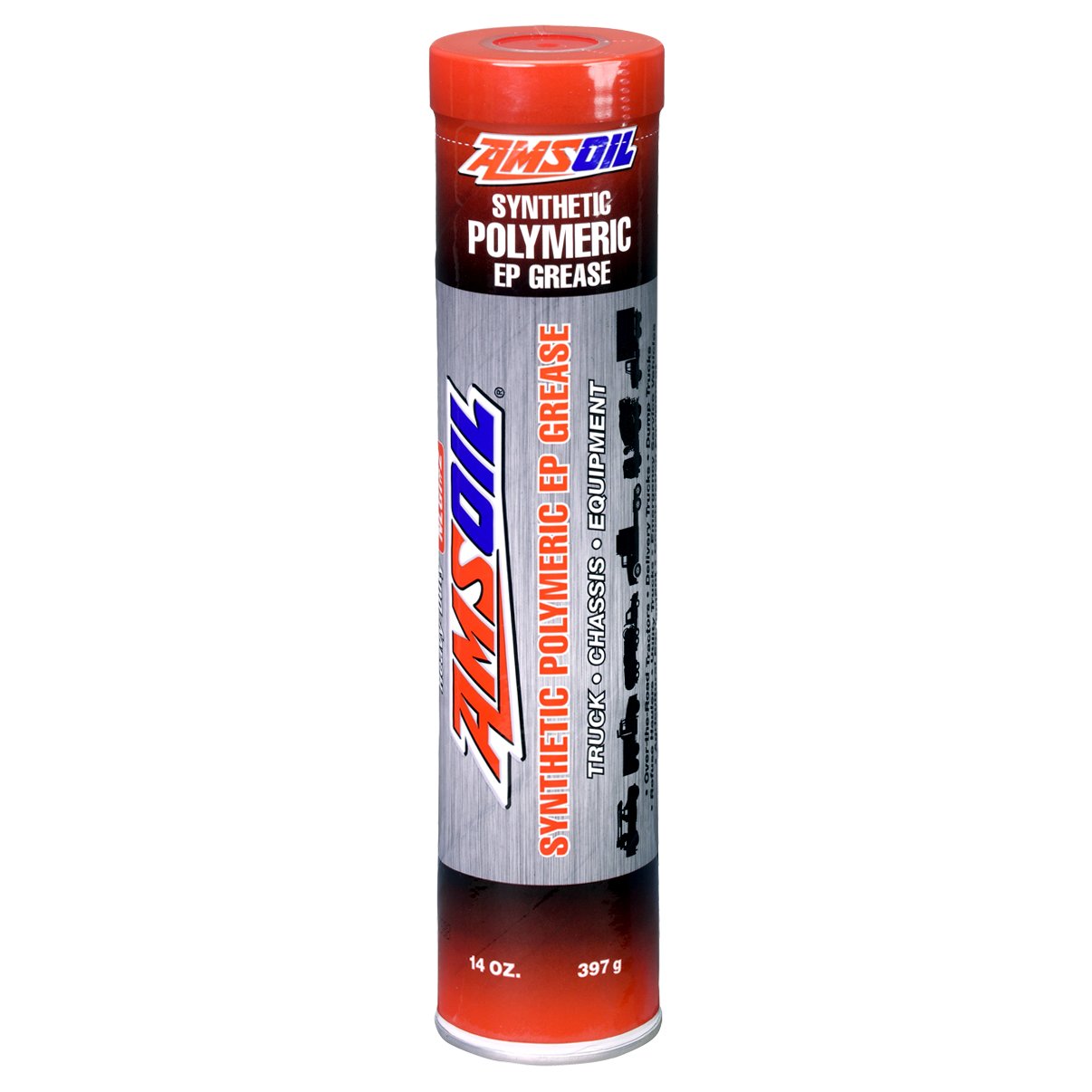
For your heavy trucks during summer — pivot pins, bushings, u-joints and all Pin & Bushing points — the red GPTR2 (NLGI 2, Truck Summer) delivers extreme-pressure EP protection up to +177°C. The summer counterpart to GPTR1.
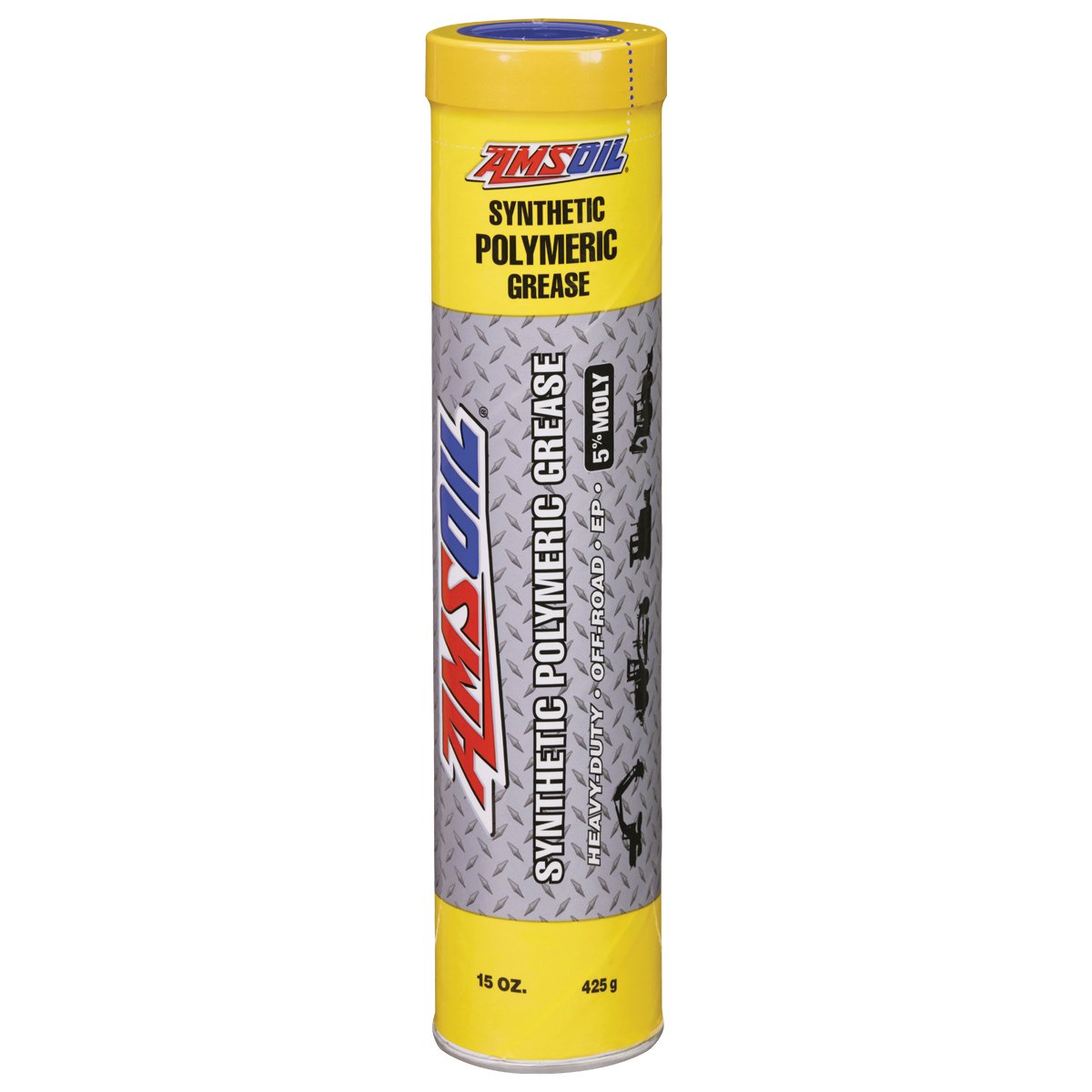
Pins and bushings on your off-road machinery wearing fast in cold weather? The black GPOR1 (NLGI 1, Machinery Winter) with 5% moly protects all Pin & Bushing points on excavators, forestry and agricultural equipment down to -34°C.
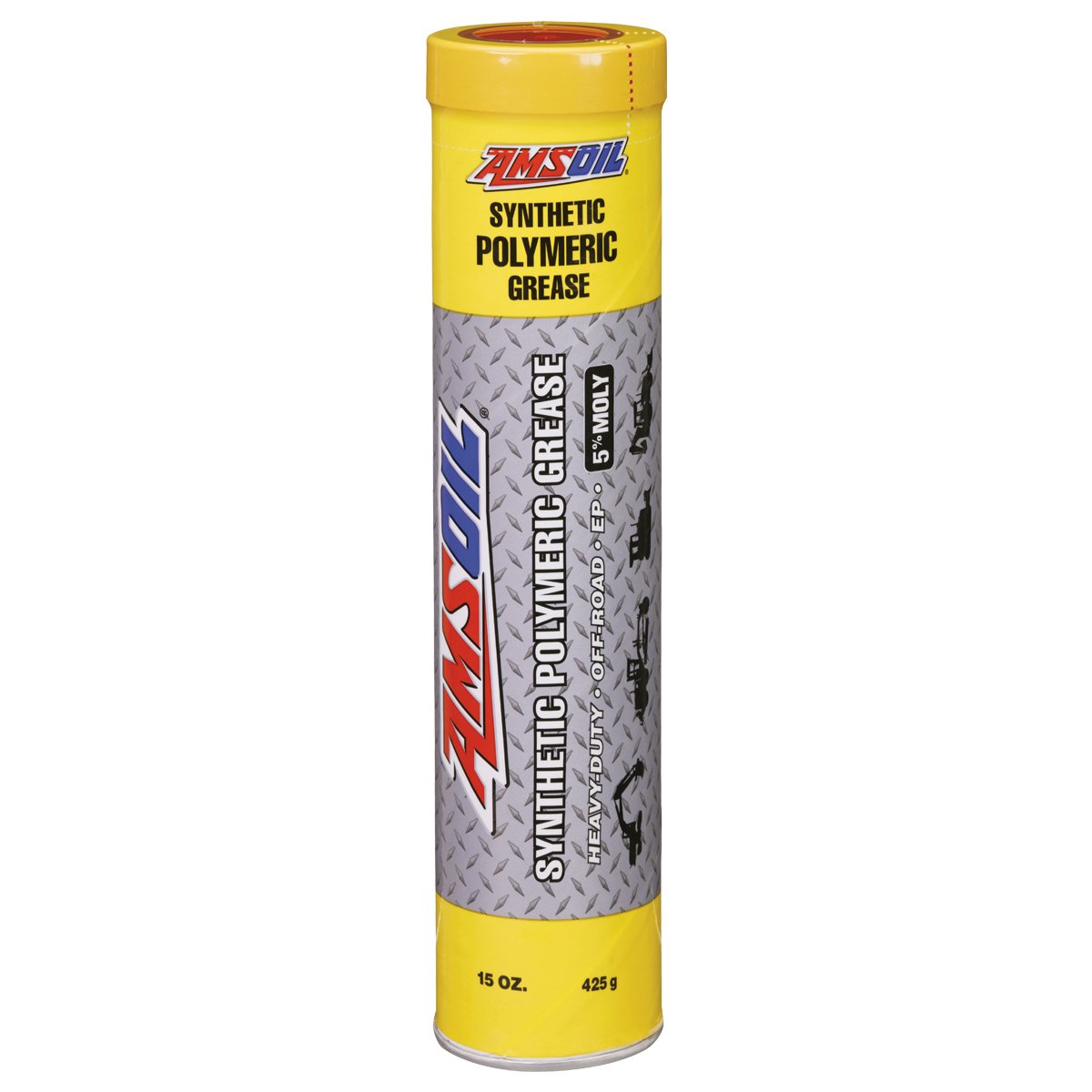
For your off-road machinery during summer — excavators, bulldozers, forestry and agricultural equipment — the black GPOR2 (NLGI 2, Machinery Summer) with 5% moly delivers maximum Pin & Bushing protection under the heaviest loads.
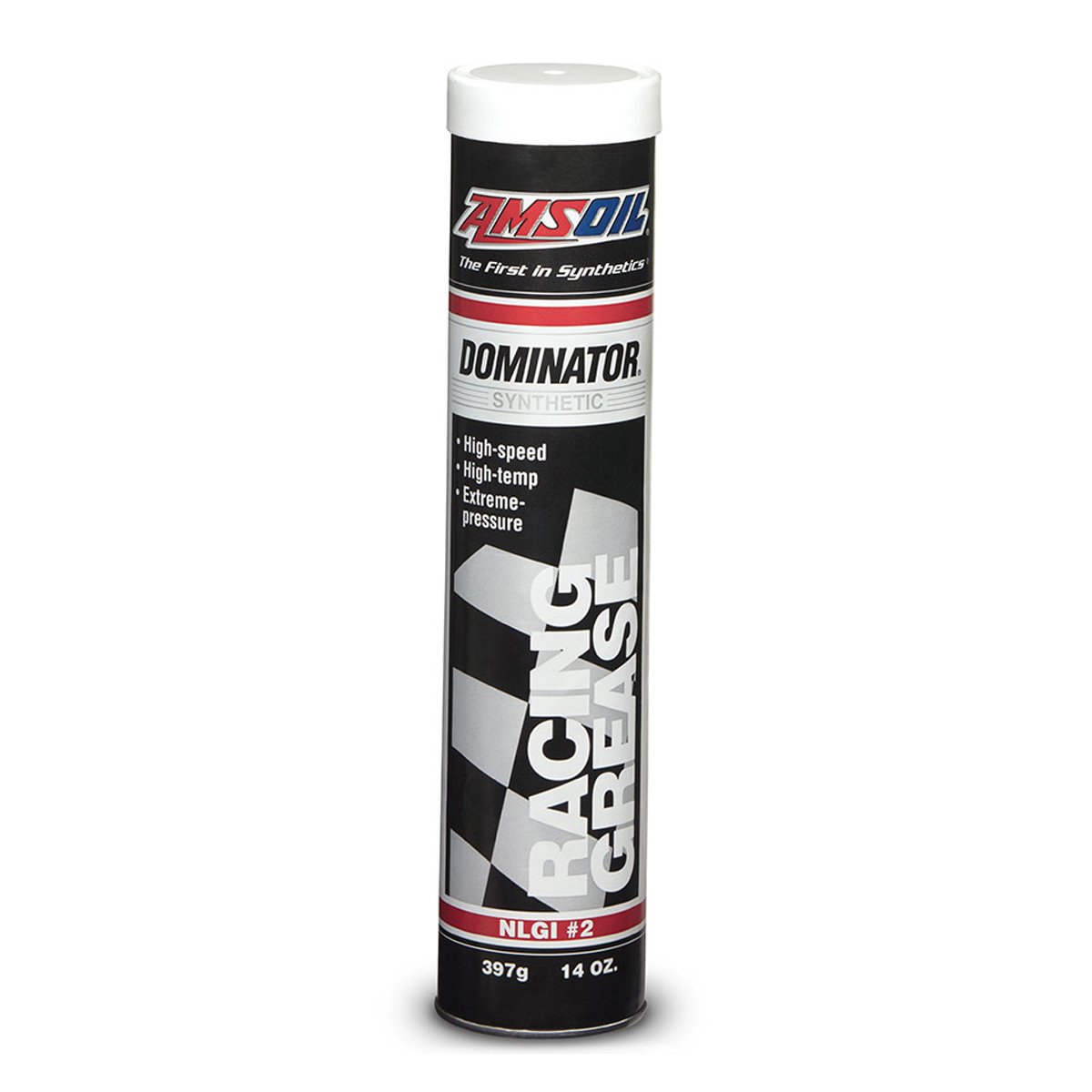
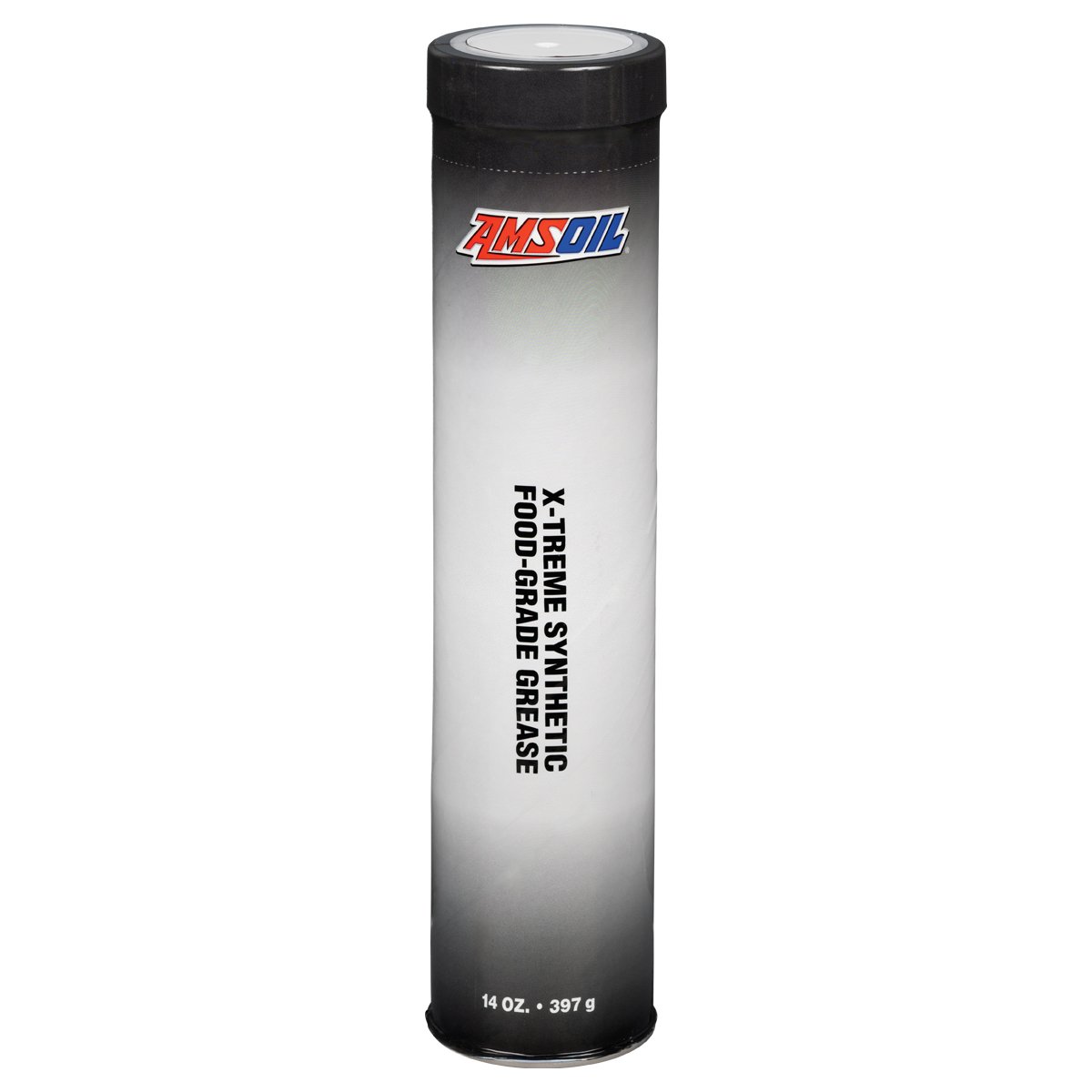
Your agricultural or food processing equipment requires contamination-safe lubrication? H1-certified for incidental food contact and compliant with CFIA/USDA standards — protects both your equipment and your certifications.
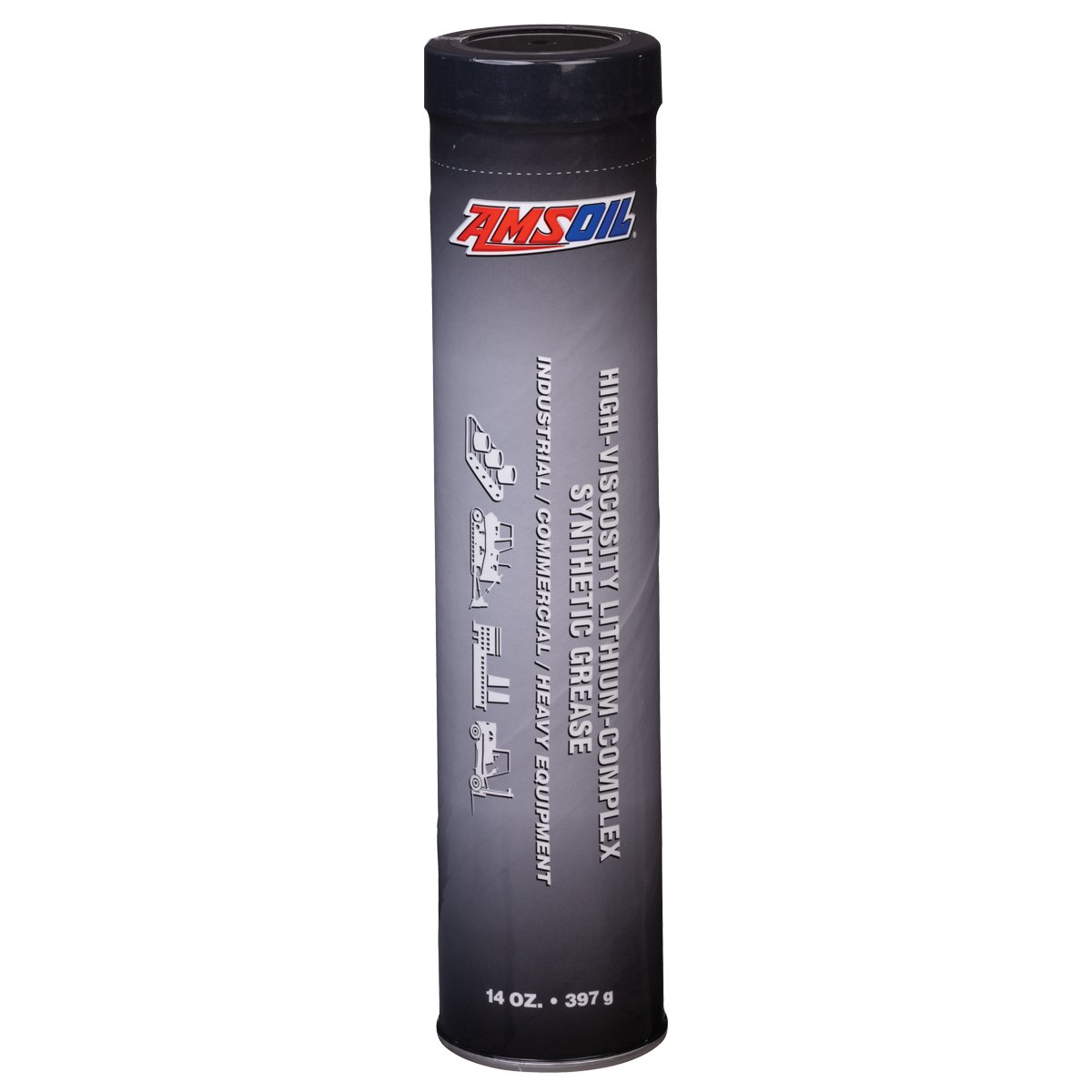
Industrial and machinery applications at sustained high temperatures? The amber GVC (Lithium Complex, NLGI 2) holds protection up to 177°C continuously and 204°C intermittently — where other greases break down. See technical data sheet for your specific application.
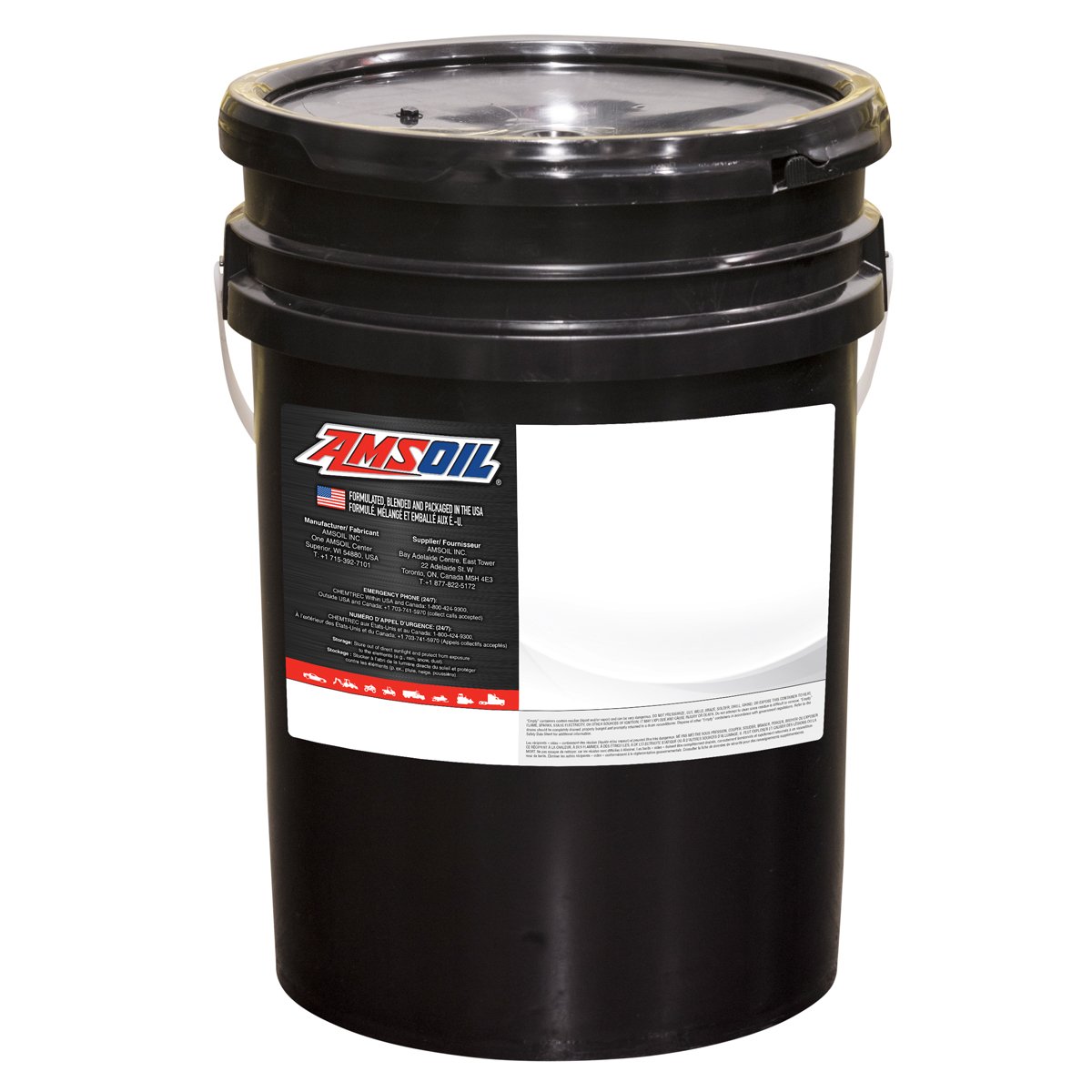
Industrial and machinery applications requiring a semi-liquid consistency (NLGI 0)? The amber GSF provides EP protection from -40°C to +177°C. See technical data sheet to confirm compatibility with your specific application.
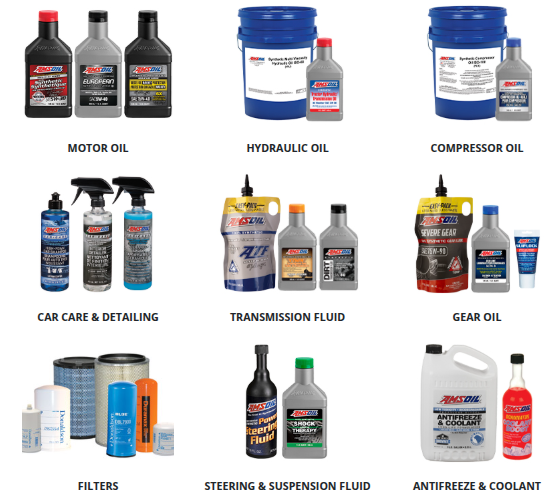
Motor oil, transmission, hydraulic, differential, chain and more — browse 200+ AMSOIL synthetic products to find the right lubricant for every piece of equipment.
The real questions operators ask before switching grease
That's exactly WHERE it makes the biggest difference. AMSOIL synthetic grease remains pumpable at −40°C. Your conventional grease is solid at that temperature. In January, you can gain 30 to 45 minutes every morning just in pumping time alone.
No. We provide complete technical data sheets with ASTM specs. Your mechanic can verify the performance data himself. The grease is applied with the same equipment — no special tools required.
An authorized dealer is a technical specialist who represents AMSOIL in their region. They don't recruit sub-dealers. They don't ask you to "join the team." They sell a product and provide technical service. AMSOIL has been in business for 55 years and holds the world's first API synthetic certification.
That's exactly why we do an analysis BEFORE recommending anything. We check your current grease's thickener type and its compatibility with the recommended formulation. If a purge procedure is needed, we walk you through it step by step.
No. We recommend starting with a single critical point on a single machine. You observe the results over one complete maintenance cycle. If it makes sense, you expand. No pressure.
Direct delivery to Canada, typically 3–7 business days depending on your region.
Here's what happens when you fill out the form:
1
You describe your situation
Your sector, your main machines, your problematic grease points, the grease you're currently using.
2
We analyze your needs
We identify the 2 or 3 AMSOIL formulations suited to YOUR conditions. We verify compatibility with your current grease.
3
You receive your personalized recommendation
By email or phone, with complete technical data sheets. Your mechanic can verify everything.
4
You decide
No obligation. If the recommendation makes sense, we ship directly to you in Canada. If not, you leave with free technical knowledge.
No pressure. No "limited offer." No tricks. Just a technical specialist who takes the time to understand your machines before recommending anything.
Request my free technical recommendation →PDF · 2 min read · Delivered instantly
No spam. Unsubscribe in one click.
This site uses cookies to improve your experience and analyze traffic. Learn more.